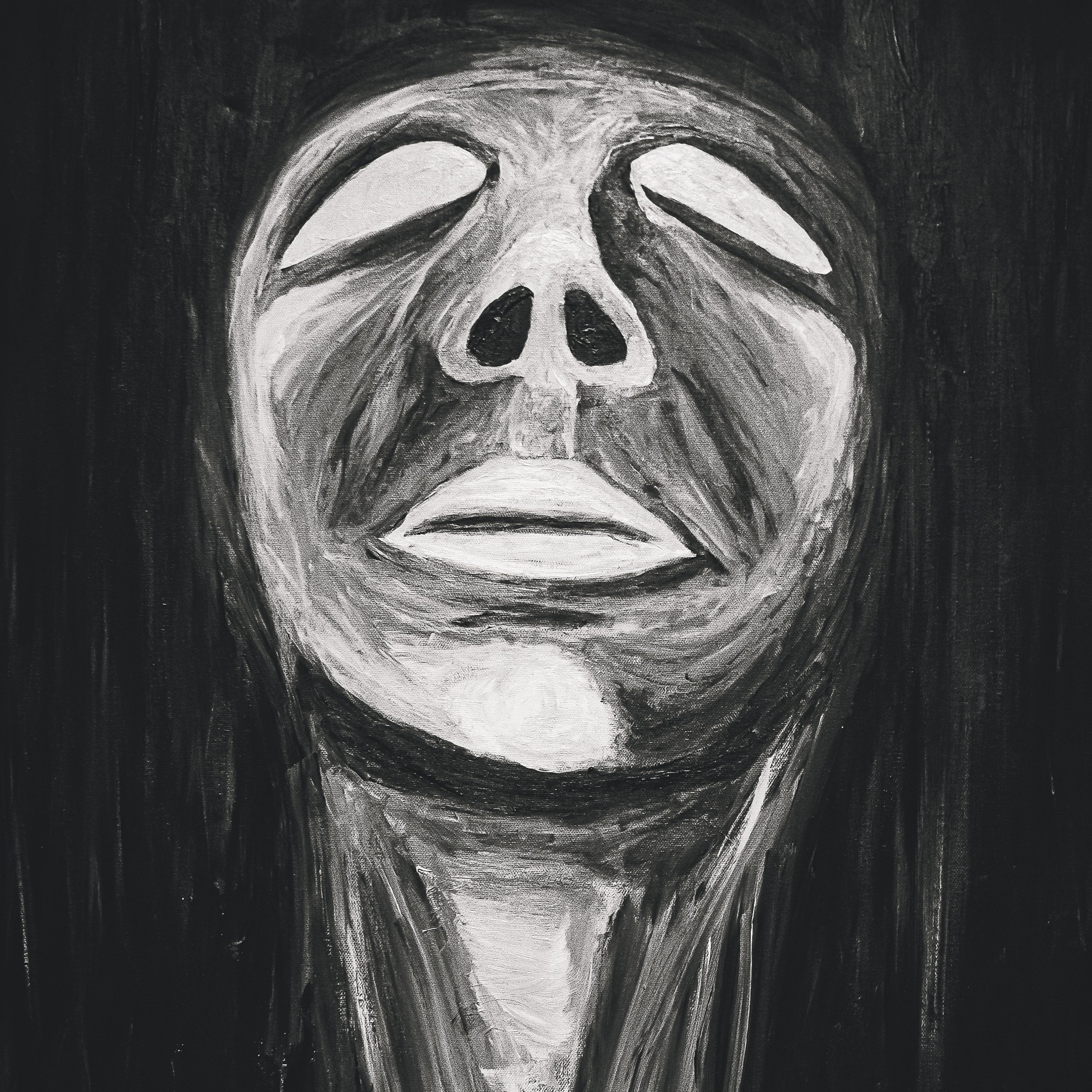
Blurring the edges between alternative rock grit and dreamlike haze, SATSUMA’s Anodyne carves out a sound that feels both grounded and drifting at once. It’s the kind of debut that doesn’t try to define itself too quickly; instead, it unfolds, revealing layers of emotion, texture, and intent with a steady, unforced clarity.
Built entirely by Cam Halkerston, every instrument, every vocal, every production choice, Anodyne feels like a fully self-contained world. There’s a sense of control, but never rigidity; everything moves with instinct rather than perfection. That balance is what gives the record its weight.
SATSUMA’s Anodyne unfolds as a storm built on distortion and truth; not chaotic, but emotionally deliberate. It blends heaviness with restraint, allowing space to carry just as much meaning as sound. Nothing feels accidental, and everything feels right.
 The honesty is immediate. Vocals remain uncorrected, sometimes fragile, sometimes held back, always intentional. Guitars expand and collapse with purpose, shaping the emotional arc rather than simply filling it. This is DIY not as an aesthetic, but as a language, one that prioritizes feeling over finish.
Opening track “Ash and Dust” sets that tone with a restrained acoustic beginning that gradually opens into something fuller and more textured. The transition feels organic, almost inevitable, as if the track is revealing itself rather than building toward a fixed point. That tension, between holding back and letting go, becomes a defining thread.
The title track “Anodyne” leans deeper into contrast. Late-night guitar tones drift between warmth and abrasion, while the vocals sit right at the edge: present, but never overpowering. When distortion settles in, it doesn’t disrupt, it reinforces, grounding the track in its emotional core.
“Swallowed” continues that sense of movement, evolving dynamically without losing its intimacy. Then comes “Scorched Earth,” closing the EP in a more submerged, atmospheric space. It doesn’t resolve; it lingers, expanding beyond itself rather than concluding.
What ties Anodyne together is its refusal to over-refine. Influences from ‘90s alternative rock and early DIY artists are present, but they never dominate. Instead, they act as a framework for something more personal; music shaped by identity shifts, emotional fatigue, and the process of rebuilding from within.
Written during a period marked by personal upheaval: leaving the Navy, navigating loss, and confronting mental health; these songs don’t dramatize experience. They absorb it, translate it, and skillfully hold it in sound.
Anodyne doesn’t feel like a typical debut, it feels like a point of arrival through uncertainty. SATSUMA’s Anodyne stands as a storm that reveals rather than overwhelms; a space where distortion carries weight, and truth is left raw, and intentionally unpolished.