DDR, short for Divorced Dad Rock, is the project of Indiana songwriter and novelist Stephen Paul, and “Don’t Tell Me How to Grieve,” out June 17th, is a melodic rock power ballad built around the specific frustration of having other people try to script your own grief for you. The track was assembled through Musiversal, bringing together musicians from multiple countries, including lead vocalist Ben Botfield in the UK and a full band spanning guitar, drums, bass, grand piano, and saxophone, all built around Paul’s own songwriting.
While the project name seems almost like self-parody, this is far from parody. This is as genuine and as heartfelt as any rock ballad ever made, with great tone and character the whole way through, across all elements, from the drum sounds to the guitar lines to the vocals to the lyrics; it’s all here. The song builds the way a good power ballad should, starting in quieter, more reflective territory before swelling into a full anthemic chorus, and that structure mirrors the subject matter directly: someone who’s usually good with words finding that grief has taken even that away from them.
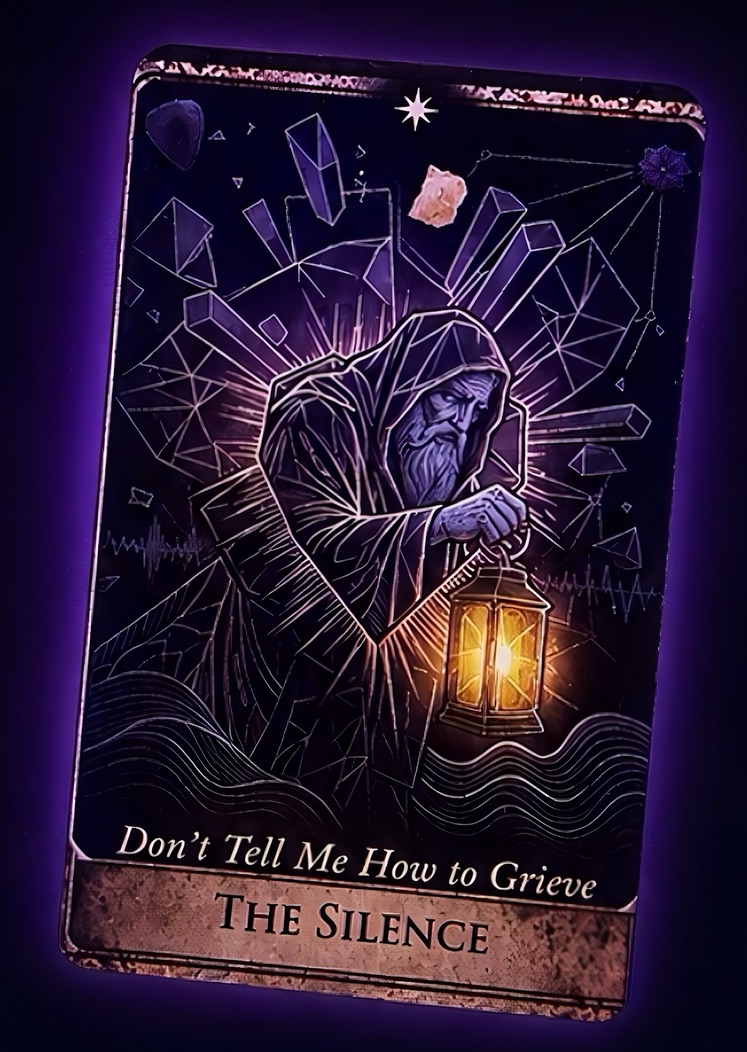
Even one step further is a beautifully dramatic video of handwritten lyrics, which hits me more effectively because lots of small acts like this one just generate an AI video and call it a day, but no, this is extra human, with the way it’s presented, writing the lyrics down in a journal, like someone melancholically grieving in their own way in isolation. Pairing that with the original tarot-inspired artwork built around the song gives the whole release a consistent visual language: reflection, memory, working through something alone, that extends the emotional weight of the track beyond just the audio.
What ultimately makes “Don’t Tell Me How to Grieve” work is the specificity of its central frustration. It’s not a generic song about sadness; it’s about the particular indignity of grieving in public, where everyone around you seems to have a theory about how you should be handling it. That specificity, backed by a genuinely committed vocal performance and a band that knows exactly when to hold back and when to swell, is what keeps the song from tipping into melodrama. It earns the bigness it reaches for.