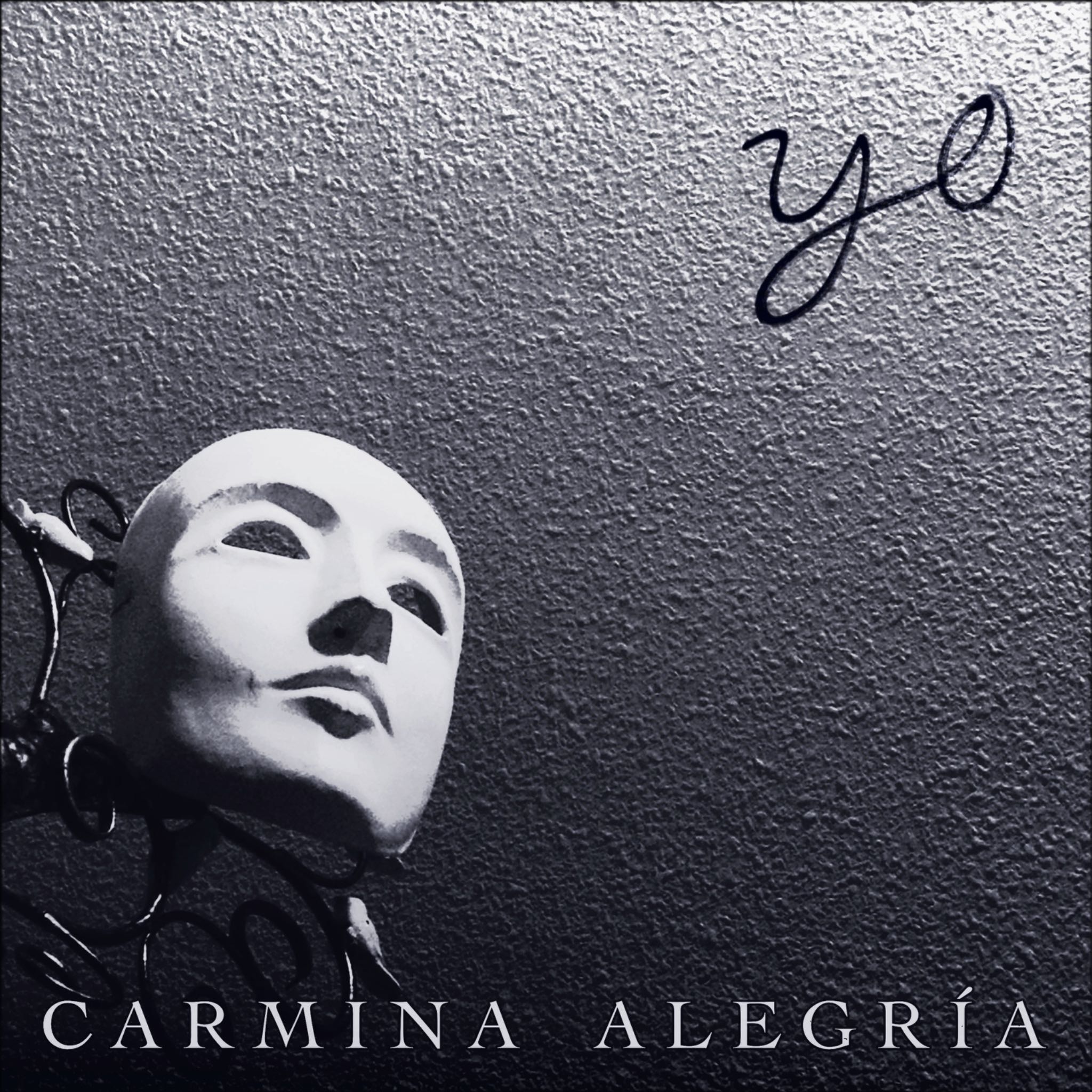
Valencia artist David G. Borrero, who operates under the name YO, released Carmina Alegría on November 21st. The album is a tribute to his grandmother, who died in June 2025. She used to tell stories about how “the people from the radio” wanted to make her a star when she was young and even had her stage name picked out: Carmina Alegría. Life took her in a different direction, but now she has her record. Borrero was hospitalized himself when she passed, and what followed was an obsessive, luminous phase where he channeled grief into this project. The result pulls from post-rock, neoclassical, ambient, and art pop without settling into any single genre’s playbook.
This is musical theater. It’s not just a typical post-rock soundscape concept album. It feels weird to even call that genre typical, but the genre does have its tropes, and you can tell when something is executed with no passion and is just a husk of tropes dressed up to sound nice. But here it’s the complete opposite of that. This is an incredible use of music to tell a story, giving Carmina Alegrìa her record and providing closure for a whole life to complete her story.
“Desaparecer” serves as an intro, combining motifs from multiple tracks yet to come, ultimately crescendoing and landing us back down for our main entrée. The title track starts out beautifully with these dreamy arpeggios, which we revisit halfway through this movie of a song. The sound production and harmony choices, along with the voice of Carmina herself as a texture, create a warm, endearing atmosphere of remembrance.
The title track established our home base, so now “Coágulo de un instante” begins our journey to somewhere far from it, like a flight close to the surface of an ocean of passing souls. We then ascend to the heavens as we enter “Volver al aire”. This is where the musical theater description from earlier really comes through. Beautiful operatic vocals weave themselves through rich tapestries of colorful harmony in grief to guide us back down to earth.
“Siempre (la mano en el fuego)” definitely feels like a song back down on the earth, a continuation of those neo-classical theater influences, with grounded thunderous percussion making a reappearance, and the whimsy of the flutes here and the energy of the backing guitars. To me, this represents the human spirit’s survival.
“Los muertos siempre son verdad” is the same song as the title track, with one key component missing: Carmina Alegrìa herself. It’s gut-wrenching to revisit it with her voice being gone. Like revisiting a home with no one there, it’s not home anymore. The song transforms; its warmth disappears with her absence. This is the kind of storytelling only music as a medium is capable of.
In “Decirlo a veces sin palabras” bowed strings and airy textures take us through one last time in remembrance, as we revisit an element of each song, each chapter of this story, and end with an a capella recording of the family singing and chanting “Carmina Alegrìa” a beautiful touch to end on.
“Levantando las manos” is the bonus track on the album and feels like a final moment in musical theater where the spotlights shine down on a character for an encore of powerful drama. Although it’s short, it is powerful and effectively delivers that closing curtain moment that the album needed.
Borrero also writes poetry and has won awards for it, which tracks when you listen to how this album unfolds. The way he revisits the title track later without his grandmother’s voice is the kind of move that only works if you understand narrative structure beyond just sequencing songs. This is a complete narrative arc and a beautiful work of storytelling, best experienced with full immersion to really be able to reflect on it and how it relates to your life.