For nearly two decades, New York–based multi-instrumentalist and songwriter Daniel Robinson has quietly built one of the most prolific and raw legacies in the independent scene. Under the cinematic dark rock moniker Senses of Fear, Robinson draws deep inspiration from the stark isolation of the Catskills, channeling themes of trauma, emotional survival, and deep inner conflict. Following a life-altering heart attack in 2025, Robinson confronted his own mortality and returned to music with an urgent, unfiltered sense of purpose. The result is his massive 2026 album, Psychological Collapse, led by the haunting, heavy emotional centerpiece single, “Hollow.” We sat down with Daniel to talk about his creative evolution, surviving a near-death experience, and how he turns vulnerability into sonic strength.
- Psychological Collapse is a heavy, evocative title. What does this album represent for you, and how does it capture your headspace over the last year?
Psychological Collapse is the most honest snapshot of my mind I’ve ever put into music. The last year felt like I was constantly falling through myself — emotionally, physically, spiritually. I wasn’t just struggling; I was unraveling. Every day felt like I was trying to hold together pieces that didn’t want to stay connected anymore.The album became the only place where I could put that chaos and actually make sense of it. It represents the moment where everything I’d been suppressing finally broke the surface. The fear, the numbness, the anger, the exhaustion — it all came out at once. Instead of trying to hide it or polish it, I let the record be as raw and unstable as I felt. It captures my headspace because it is my headspace. Every track is a moment where I felt like I was losing control, and the album became the map of how I survived it. It’s not a concept album — it’s a confession.
- “Hollow” is the emotional anchor of the record. You’ve described it as capturing the feeling of being physically present but emotionally absent. How do you go about translating that specific feeling of emptiness into a massive, layered musical production?
“Hollow” came from a place where I felt like I was drifting through my own life without actually being in it. That kind of emptiness isn’t quiet — it’s loud in a very internal way. So when I started building the track, I wasn’t trying to make something big for the sake of being big. I was trying to recreate the sound of a mind echoing inside itself. I built the production like a void. The guitars are heavy, but they’re spaced out so they feel like they’re collapsing inward. The drums hit hard, but they leave room for the silence between them to feel uncomfortable. The vocals are layered because one voice didn’t feel like enough to represent the disconnect — it felt like I was hearing myself from a distance, so I stacked those layers to create that emotional distortion. The goal wasn’t to fill the emptiness. It was to show it. To make the listener feel that strange, numb pressure where everything is happening around you, but none of it reaches you. That’s why the song swells the way it does — not to sound epic, but to sound overwhelming in the same way dissociation is overwhelming. “Hollow” is massive because emptiness can be massive. It’s not a small feeling. It’s a whole world you get trapped inside.
- The sonic identity of “Hollow” balances alternative metal intensity with sweeping cinematic build-ups. When you are writing and producing entirely on your own, how do you know when a track has hit that perfect balance between raw aggression and atmospheric vulnerability?
For me, that balance isn’t technical it’s emotional. I’m not sitting there thinking, “Okay, this needs 20 percent more aggression and 30 percent more atmosphere.” I’m chasing a feeling. When I’m producing alone, I’m constantly asking myself one thing: Does this sound like the truth? “Hollow” was built in layers because that’s how the emotion felt. There’s the anger, the heaviness, the fight‑or‑flight energy — but underneath that, there’s this fragile, almost ghost‑like vulnerability that never fully goes away. I keep building the track until both sides feel like they’re breathing at the same time. I know a song is balanced when it stops sounding like a performance and starts sounding like a memory I’m reliving. If the aggression hits but doesn’t drown out the pain, and the atmosphere expands without softening the impact, that’s when I know I’ve found the center of the emotion. That’s when the track is done. Producing alone forces me to be brutally honest with myself. There’s no one else in the room to tell me when something feels real — I have to feel it in my chest. When the music mirrors the exact emotional contradiction I’m living through, that’s when I know I’ve hit the balance.

- Your music is highly theatrical and delivers a massive emotional punch. Who or what are some of your biggest cinematic influences outside of traditional rock music that helped shape the sound of this album?
Cinematic influence is honestly the backbone of everything I create. Before I ever think about riffs or drums, I’m thinking in terms of atmosphere, tension, and emotional architecture — the same way a film score builds a world before a single line of dialogue is spoken. Hans Zimmer is a huge influence, not just for his power but for the way he uses silence. He knows how to make a single note feel like a tidal wave.And then there’s Trent Reznor & Atticus Ross, who taught me that darkness can be beautiful if you let it breathe. But it’s not just composers. Psychological thrillers and horror films shaped this album in a massive way. I love how those genres use sound to manipulate your heartbeat — the low rumbles, the distant echoes, the tension that never fully resolves. That’s the energy I wanted on Psychological Collapse. Not just music you hear, but music you feel creeping up your spine. Those cinematic influences gave me permission to go bigger, darker, and more emotionally unfiltered than I ever have. They helped me build a world where the listener isn’t just hearing my story — they’re living inside it.
- Last year, you suffered a major heart attack, a moment that completely reshaped your perspective on life. How did confronting your mortality change your day-to-day relationship with songwriting and your creative urgency?
The heart attack shattered the illusion that I had unlimited time. One moment I was living my life, and the next I was lying in a hospital bed wondering if I’d ever get another chance to say anything at all. That kind of moment rewires you. It strips away everything that doesn’t matter and leaves you face‑to‑face with the truth you’ve been avoiding.
Before it happened, I used to overthink everything — the production, the mixes, the direction, the perfectionism. After the heart attack, all of that felt meaningless. I didn’t want to make “perfect” music anymore. I wanted to make honest music. Music that said something real, even if it was messy or uncomfortable.
My day‑to‑day relationship with songwriting changed because I stopped treating it like a task and started treating it like a lifeline. Every idea felt urgent. Every lyric felt like it needed to exist now, not later. I wasn’t writing for streams or algorithms or expectations — I was writing because I survived, and surviving comes with a responsibility to speak.
The heart attack didn’t just change my urgency. It changed my purpose.
It reminded me that every song could be the last thing I ever say — so I make sure it’s something worth leaving behind.
- You have noted that “Hollow” represents a turning point where vulnerability became a strength. Was it terrifying to lay your guard down that completely on a track, or did it feel entirely necessary for your own healing?
It was absolutely terrifyingnot because I wanted to, but because I had to. Vulnerability never felt safe for me. It felt like exposure, like handing someone a weapon and hoping they wouldn’t use it. So when I started writing “Hollow,” I could feel that old instinct kicking in, telling me to pull back, to hide the parts that hurt the most.
But the truth is, hiding was killing me.
After everything I went through — the trauma, the emotional collapse, the heart attack — pretending I was invincible wasn’t an option anymore. I was already broken open. The only choice I had left was to be honest about it.
So yes, it was terrifying. But it was also necessary.
“Hollow” became the moment where I stopped running from myself. I let the cracks show. I let the emptiness speak. And in doing that, I realized vulnerability isn’t weakness — it’s the only way to actually heal. It’s the only way to connect with people who feel the same kind of invisible pain.
That track changed me.
It taught me that sometimes the strongest thing you can do is admit you’re not strong at all.
- The name Senses of Fear was originally chosen by your girlfriend, Michelle Ogborn, because she recognized that your music perfectly captured the psychological tension you carried. Looking back, how has living under that specific banner for so long helped you process your early life trauma?
When Michelle chose the name Senses of fear, I didn’t fully understand How accutrate it was. At the time, it felt like a cool, dark name for a metal band, but she saw something deeper in me that I wasn’t ready to face. She recognized the tension, the anxiety, the emotional weight I carried long before I ever admitted it to myself.
Living under that name for so many years forced me to confront the parts of my past I tried to bury. Every time I released music under Senses of Fear, it was like holding up a mirror to the trauma I grew up with — the chaos, the instability, the emotional scars that shaped me. The name became a reminder that the fear wasn’t something to hide from; it was something to understand, express, and eventually transform.
It gave me a language for emotions I didn’t know how to articulate.
It gave me a place to put the darkness so it didn’t consume me.
It gave me an identity that wasn’t built on pretending I was fine.
Over time, Senses of Fear stopped being a name and became a process — a way of turning pain into something meaningful. It helped me reclaim the parts of myself that trauma tried to erase. And the fact that Michelle saw that in me from the beginning… it means the name isn’t just a title. It’s a truth I’ve grown into.
- You live and create in Grand Gorge, NY, right in the heart of the Catskills. How much does that specific, quiet, and sometimes stark geographic isolation creep into the actual DNA of your music?
The Catskills are beautiful, but they’re also brutally honest. There’s a kind of silence out here that forces you to sit with yourself — no distractions, no noise, no escape. That isolation gets into your bloodstream. It changes the way you think, the way you feel, and eventually the way you create.
Grand Gorge is small, quiet, and surrounded by miles of open space. When you’re alone with your thoughts long enough, you start hearing things differently — the tension, the emptiness, the echoes of your own mind. That atmosphere becomes part of the music whether I intend it or not. The wide‑open landscapes turn into reverb. The stillness becomes the space between notes. The loneliness becomes the emotional weight behind every lyric.
Out here, you can’t hide from yourself.
And that honesty — sometimes harsh, sometimes healing — is in every track I make. The Catskills don’t just influence my music; they shape the emotional architecture of it. The isolation gives the songs their depth, their tension, their sense of vastness. It’s the perfect environment for creating something raw, cinematic, and unfiltered.
- With over 40 albums and singles released since 2007, your output is incredibly relentless. When you look back at your early underground metal and punk roots, what is the biggest difference in how you approach music today compared to when you started?
When I first started, everything I made came from a place of pure survival. My early underground metal and punk roots were fueled by anger, adrenaline, and the need to scream just to feel like I existed. I wasn’t thinking about craft or emotion or storytelling — I was thinking about release. The music was raw because I was raw. It was fast, loud, and unfiltered because that was the only way I knew how to cope with what I was carrying.
Today, the fire is still there, but the intention is completely different. I’m not trying to prove anything anymore. I’m not trying to outrun my past or drown out the noise in my head. Now I create because I want to express something real, not escape from it. The aggression is still part of me, but it’s balanced with vulnerability, atmosphere, and emotional depth that I didn’t have the courage to tap into back then.
Back in the early days, I wrote like I was fighting for my life.
Now I write like I’m fighting to understand it.
The biggest difference is purpose.
I’m not just making music — I’m telling the truth.
And after everything I’ve survived, that truth matters more than anything.
- The themes on this album—feeling unseen, unheard, and dealing with internal struggles—are deeply relatable. What kind of messages or feedback have you been receiving from fans who have connected with “Hollow” since its release?
The messages I’ve received about “Hollow” have honestly been overwhelming in the best way. People aren’t just saying they like the song — they’re telling me it feels like I wrote their internal monologue. I’ve had fans say it put words to emotions they’ve carried for years but never knew how to express. Others have told me it made them feel seen for the first time in a long time, like someone finally understood the kind of invisible pain they live with every day.
A lot of people have opened up about their own battles with depression, trauma, dissociation, and feeling disconnected from themselves. They tell me the song makes them feel less alone, like there’s someone out there who gets it without them having to explain it. That means more to me than anything. When you write from a place of real pain, you hope someone out there will understand it — and they do.
“Hollow” became a bridge between my experience and theirs.
It showed me that vulnerability doesn’t just heal the artist — it heals the listener too. And hearing people say the song helped them through dark moments… that’s the kind of connection I never expected but will always be grateful for.
- Now that Psychological Collapse is out via Omega Records and making waves, what does the next chapter look like for Senses of Fear? Are there plans to bring these massive, cinematic soundscapes to a live stage, or are you already looking toward the next studio release?
Releasing Psychological Collapse felt like closing one chapter and immediately stepping into another. The moment it dropped, I felt this surge of creative momentum — like the story wasn’t finished, just evolving. And honestly, the next chapter is already taking shape faster than I expected.
I’ve got three new albums on the way:
Take Me Home Tonight — a record that pushes into new emotional territory and brings some unexpected twists
How a Monster Is Made — darker, heavier, and more psychological than anything I’ve done
Maniac — pure chaos, pure adrenaline, pure Senses of Fear unleashed
And here’s the part I’m most excited about:
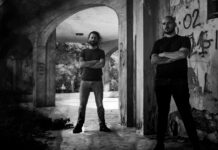
I’m introducing new people into the band. After years of carrying everything on my own shoulders, it feels like the right time to expand the world of Senses of Fear. These new Band Members bring fresh energy, new textures, and a different kind of fire that’s pushing the music into places I couldn’t reach alone.
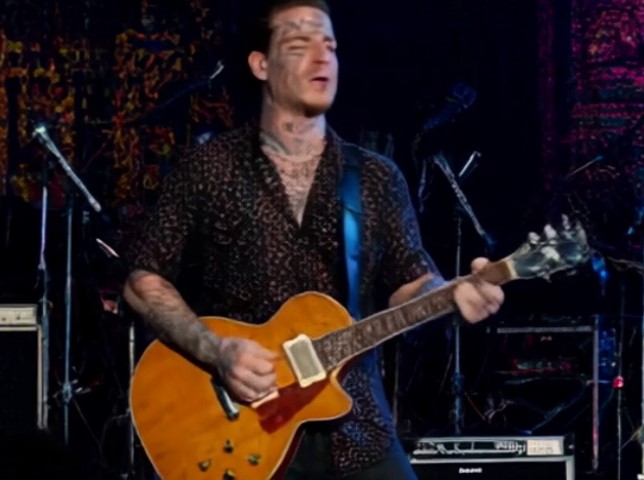
As for live shows — yes, that’s absolutely on the horizon. These cinematic soundscapes were built to be experienced in a physical space. But I’m not rushing it. When Senses of Fear hits the stage, it has to be immersive, theatrical, and emotionally overwhelming in the best way. I want people to walk out feeling like they lived inside the music.
So what’s next?
Bigger sound. Bigger emotion. Bigger vision.
Psychological Collapse wasn’t the end — it was the ignition point. Everything coming next is the explosion.