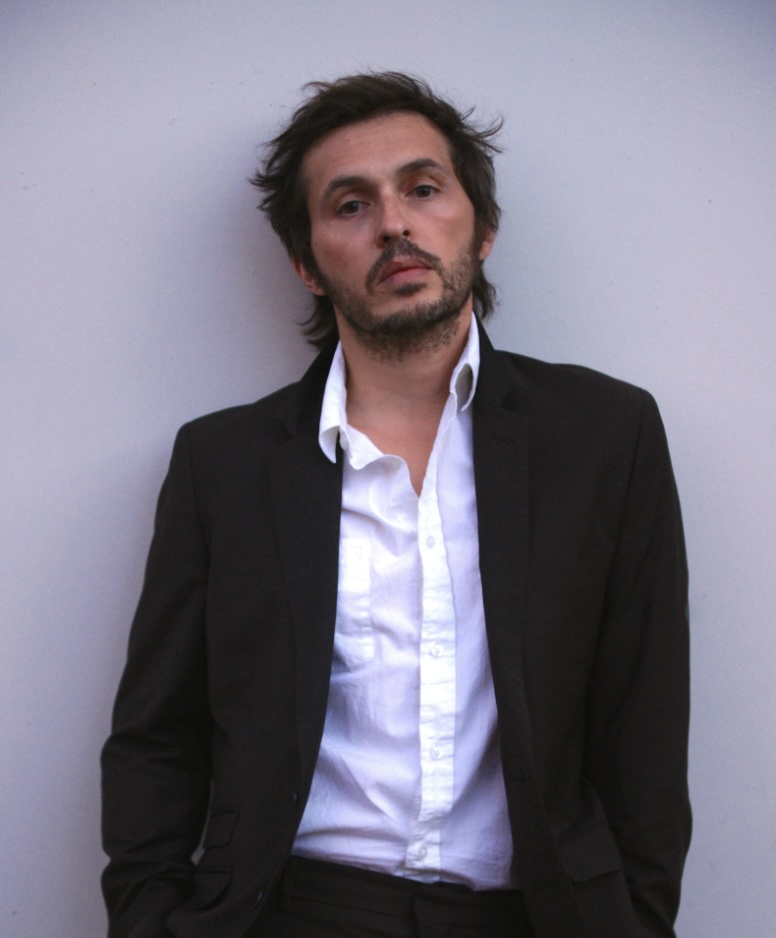
For Harley Di Nardo, music has always been about the song. From his early years in the New York rock scene, playing in bands including Closer and White Light Motorcade, to years spent between New York and Los Angeles, his career has taken him through major-label releases, international touring, collaborations with some of the industry’s most respected producers, and the inevitable twists and turns that come with a life in music.
Now, Harley is entering what he describes as a new chapter rather than a comeback. His latest single, “LA to NY,” draws on the places, people and experiences that have shaped him, bringing together the energy of his New York roots with the perspective that comes from years of living, losing, loving, raising a family and starting over.
With a sound shaped by artists such as The Rolling Stones, The Beatles, The Who and Bob Dylan, Harley remains committed to the simple idea that a great song should be able to stand on its own. He produces much of his own music and continues to value the imperfections, spontaneity and human feeling that can sometimes disappear in the pursuit of technical perfection.
As he prepares to release more new music, return to live performance and continue developing his work as a filmmaker and storyteller, Harley Di Nardo is looking forward rather than back. In this interview, he reflects on the New York rock scene that helped shape him, the lessons he has learned from a lifetime in music, what success means to him now, and why he believes there will always be a place for authentic rock & roll.
- You came through the New York rock scene at a time when bands like The Strokes and Interpol were changing the perception of guitar music. What was it actually like to be part of that scene, and what do you think made it such a creatively explosive moment for rock?
It was an incredible time to be in New York. There was this electricity in the air. You had The Strokes, Interpol, The Walkmen, The Mooney Suzuki, and so many other bands all coming up around the same time. Everybody was doing their own thing, but there was this collective energy. You’d go out any night of the week and see three or four great bands playing in these little clubs.
I think what made it special was that it was all happening organically. There wasn’t this obsession with algorithms, social media, or creating content. You formed a band, wrote songs, rehearsed, played shows, and tried to blow the roof off the place. That was it.
I was playing in Closer and later White Light Motorcade, and we were fortunate enough to sign record deals and tour with some incredible artists. But the thing I remember most is the community and the competition. Everybody wanted to be great. There was a healthy sense of rivalry, and I think that pushed everyone creatively.
New York had this beautiful way of making you feel like you were part of something bigger than yourself, while simultaneously reminding you that you weren’t all that special. You had to earn it every night.
- “LA to NY” has a very classic rock & roll feel, with guitars, groove and a strong melodic hook. What do you think great rock songs still need to have, and what makes a song timeless rather than simply sounding like a product of its era?
For me, it always comes back to the song. You can have the greatest guitar sound in the world, the best musicians, the most expensive studio, but if the song isn’t there, none of it matters.
I grew up loving bands like The Rolling Stones, The Beatles, The Who, and artists like Bob Dylan. What all those artists understood was that underneath everything was a great song. Something you could sit down with an acoustic guitar or a piano and play, and it would still move somebody.
I love a great groove. I love guitars that sound like they’re about to fall apart. I love imperfections. That’s rock & roll to me. But melody is everything. A great melody has a way of getting inside you and staying there.
I think timeless songs come from something honest. When you start chasing what’s fashionable, you’re already putting an expiration date on your music. I’d rather make something that sounds like me, even if it doesn’t fit neatly into what’s happening at the moment.
- You’ve worked with some hugely respected names over the years. What have you learned from those experiences about producing and recording a great rock record, and how involved do you like to be in the production process now?
I’ve been incredibly fortunate to work with people like Ed Buller, Chris Lord-Alge, Niko Bolas, Matt Wallace, and Steve Fallone. These are people who’ve worked on some of the records that shaped my musical life.
One of the biggest things I’ve learned is that great production isn’t necessarily about adding things. A lot of times it’s about knowing what to take away. Knowing when a performance has that magic, even if it’s not technically perfect.
The best producers and engineers I’ve worked with understand that. They know how to capture something that feels alive rather than polishing all the humanity out of it.
These days I’m very hands-on. I produce my own records, and I love that process. I love arranging songs, experimenting with guitar sounds, building the atmosphere around a vocal. But I also love collaborating with people who can bring something unexpected to the table.
I produced “LA to NY,” and having Niko Bolas mix it and Steve Fallone master it was fantastic. There’s something wonderful about handing your music to people you trust and hearing them bring out things you hadn’t even realized were there.
At the end of the day, I’m always chasing a feeling. Not perfection. A feeling.
- There is a lot of life packed into “LA to NY”, from your New York roots to your years in Los Angeles, family, loss and starting over. Do you find that the older you get, the more interesting the stories become, or does it become harder to turn real experiences into songs?
I think life gives you more to write about as you get older. When you’re young, you’re writing about what you imagine life is going to be. As you get older, you’re writing about what actually happened.
I’ve lived a lot of life between New York and Los Angeles. I’ve experienced incredible highs, devastating losses, love, heartbreak, fatherhood, and starting over more than once. All of that becomes part of the music whether you consciously put it there or not.
New York will always be home in a certain way. It’s where I grew up, where I became a musician, where so much of my life happened. Los Angeles represents another chapter, another version of myself. And now I’ve found myself drawn back to the Hudson Valley, which feels like coming full circle.
I don’t necessarily think writing gets harder. I think you become less interested in writing about things that don’t matter to you. You start looking for the truth in a song.
The interesting thing about songwriting is that you can take something incredibly personal and somehow make it universal. Somebody listening might have lived a completely different life, but they recognize the emotion. That’s the magic of it.
- You’ve said this feels like a new chapter rather than a comeback. After everything you experienced in your earlier career, what does success mean to you now compared with when you were first making records and touring?
When I was younger, success meant getting signed, making records, touring, getting on the radio, all the things you’re supposed to want when you’re in a rock band. And I was fortunate enough to experience a lot of that.
But there’s a funny thing about chasing success. The finish line keeps moving. You get a record deal, and suddenly you want a bigger record deal. You get on a tour, and you want a bigger tour. You sell out a room, and you want to sell out a theater.
These days I look at it differently. I still have enormous ambition. I still want my songs to reach as many people as possible. I want to play great shows and make records that matter. That hasn’t changed.
What’s changed is that I don’t need somebody else’s permission to do it anymore.
I’m making the music I want to make, on my own terms, with people I respect. There’s a tremendous amount of freedom in that.
I don’t really see this as a comeback because I never stopped being an artist. Life just took me down a few different roads. Now I’m at a place where I have more to say, and I feel like I’m making some of the best music of my life.
To me, success now is making something meaningful, connecting with people, and being able to keep doing it.
- Rock music has changed enormously since you first started out. What excites you about the current rock landscape, and do you think there is still a place for the kind of guitar-driven, live-sounding music you make?
Absolutely. I think there’s always going to be a place for great rock & roll because there’s something primal about it. A guitar, a bass, drums, and somebody singing something they believe in. That’s never going to disappear.
What’s changed is the way people discover music. When I was coming up, there were record labels, radio stations, magazines, and a relatively small number of gatekeepers. Now anybody can release a record and potentially reach someone on the other side of the world.
That’s exciting, but it’s also created an enormous amount of noise. There’s so much music being released that sometimes the challenge isn’t making something great, it’s getting somebody to actually hear it.
What excites me is that audiences still respond to authenticity. You can hear it when a band is really playing together, when there’s air in the recording, when something isn’t perfectly quantized or polished.
I don’t think rock music needs to reinvent itself every five minutes to stay relevant. It just needs artists who have something to say.
The Rolling Stones didn’t become great because they were trying to predict the future. They became great because they sounded like the Rolling Stones.
That’s what I believe in. Finding your own voice and trusting it.
- With “LA to NY” opening this new chapter, what can we expect from Harley Di Nardo next? Are you already looking at a new collection of songs, an album, live shows, or even bringing your filmmaking and music into the same creative world?
There’s a lot happening, and I’m really excited about it. “LA to NY” is the beginning of a much bigger body of work. I’ve been writing and recording constantly, and I have a tremendous amount of music that I want to release.
The next single is “Catskill Park,” which is a song that’s very close to me. It has that same connection to place and memory, but it’s a different kind of emotional journey.
I’m also interested in releasing music more frequently. The traditional model of disappearing for two years to make an album doesn’t really appeal to me anymore. I love the idea of continually putting songs into the world and letting them develop their own lives.
Live performances are definitely part of the plan, both in Los Angeles and back in New York and the Hudson Valley. I love that connection with an audience. There’s nothing quite like playing a song in a room and feeling people respond to it.
And filmmaking is something I want to continue exploring alongside the music. I’ve always been drawn to storytelling, whether it’s through a song, a photograph, or a moving image. To me, they’re all different ways of expressing the same thing.
I feel like I’m at the beginning of something rather than looking back at what I’ve already done. That’s a pretty wonderful place to be.