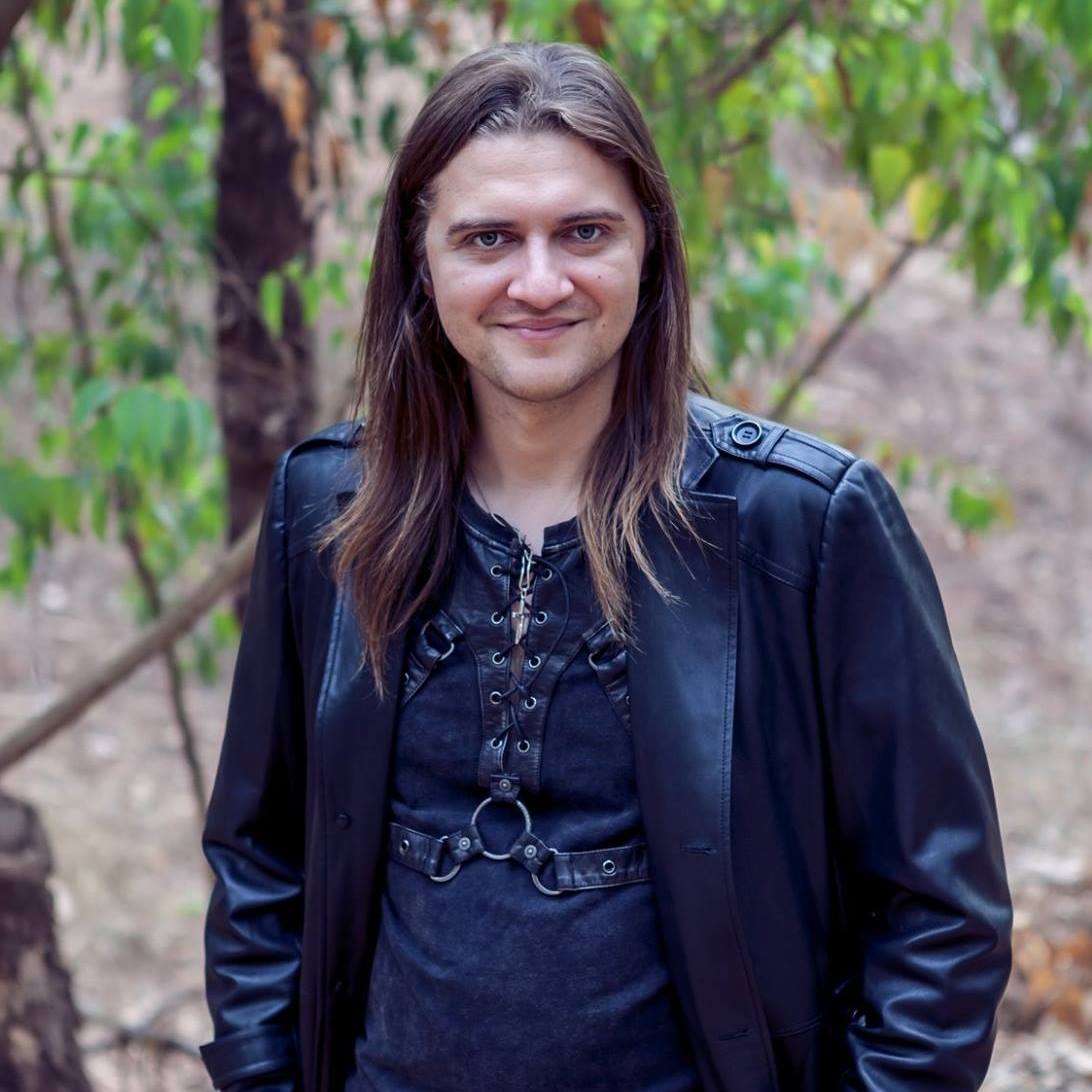
GlobMetal Promotions grew from the realisation that strong metal records can still go nowhere if nobody helps put them in front of the right people. A lot of bands still think the hard part is making the record but Kostya Aronberg learned early that this is only part of the story. Back in 2011, he helped promote an album by a band of friends after seeing that a strong release could still pass almost unnoticed. Very quickly, he ran into the same problem many bands still face now: the music was there, media outlets were out there, but the connection between the two was weak or missing altogether. That first campaign eventually led to GlobMetal Promotions, the PR company he formally launched in 2012.
Since then, GlobMetal has grown through direct relationships with magazines, webzines, radio stations and journalists, with a clear focus on metal and a practical view of what promotion can and cannot do. The company works across different scenes and regions, and over time it became clear that a campaign can create visibility, but it cannot replace consistency, planning, or the band’s own work. As discovery keeps shifting through search, metadata and recommendation systems, that approach has only become more relevant.
Below, Kostya Aronberg speaks plainly about readiness, weak expectations around PR, the value of real media relationships, and why bands need to think more seriously about how they present themselves online.

You started building GlobMetal Promotions after seeing that strong bands often had no real path into international media. What did you understand early on about that gap, and what made you think you could build a service around solving it?
I actually started doing promotion back in 2011 with a band of good friends of mine. They released their third album and I remember being really impressed by the quality. To me, it sounded like something that should immediately get attention.
But after a month passed, nothing really happened. No press, no buzz, no coverage. That was a shock. At the time, I honestly believed that if your music was good enough, everything else would follow: exposure, recognition, all of it. Reality does not work like that.
So I approached the band and asked if I could help with promotion. They agreed, and I basically started from zero, searching for metal magazines online, building contacts, and sending their music out manually. It was not sophisticated, just a lot of time and persistence.
After about a year, we had more than 100 magazines covering the band through reviews, interviews and features. That is when I understood the gap. There were great bands out there, and there were magazines constantly needing content, but there was no real connection between them.
Once the results started to show, other bands began reaching out to me through that campaign. That is when it became clear this was not just a one-time thing. It was something I could build into a real service. And that is how GlobMetal Promotions started.
GlobMetal has worked with bands from very different scenes and regions. When a band comes to you for promotion, what tells you they are actually ready for an international campaign, and what usually shows you they are not there yet?
One of the first things I try to understand is the band’s mindset. I usually ask a very simple question: are you ready to invest your time, money and energy into this, or is this just a hobby?
That question already tells me a lot. There is nothing wrong with having a band just for fun, writing music, releasing it, maybe getting a few listeners here and there. But if that is the case, an international PR campaign usually does not make sense.
Once you step into that level, expectations change. If a band is not ready to rehearse regularly, create new material consistently, and invest in recordings, visuals, videos and promotion, then they are simply not ready yet. And that is completely fine, but it is important to be honest about it.
I can relate to that personally. When I was around 16, I had my own band. We played for about a year, wrote some songs, and even thought about recording them at home. But we never took it further, and eventually the band ended. That experience helps me understand both sides: the hobby side and the professional side.
On the other hand, when I see a band that already has a solid release, good production quality, clear visuals and, most importantly, a plan, that is a strong sign they are ready.
Consistency is even more important. If a band releases something once and then disappears for a few years, promotion becomes very difficult. Another key factor is communication. Bands that respond quickly, stay organised and understand how the process works are always easier to push forward.
Promotion is teamwork. It is not something that happens in isolation. At the end of the day, a PR campaign is not magic. It is a tool. And like any tool, it only works if the people using it are serious.
A lot of bands still expect PR to fix everything on its own. From your side, what can promotion really do, what can it not do, and what does a band need to be doing at the same time for a campaign to have any real use?
This is probably the most common misunderstanding I see. PR can do a lot, but it has very clear limits. A good campaign can create visibility, build awareness, and put your band in front of the right audience. It can get you reviews, interviews, features and radio play. Basically, it can make sure people in the scene see your name and have a reason to check you out.
What PR cannot do is turn a band into a success overnight. It does not create fans by itself, and it does not replace the work the band has to do. It opens doors, but the band still needs to walk through them.
For example, if a campaign brings you 30 to 50 publications, that is strong visibility. But if someone reads about your band and then checks your pages and sees no activity, no content and no engagement, you lose that opportunity immediately.
That is why promotion only works when the band is active at the same time. While the PR campaign is running, the band should be releasing content, posting regularly, interacting with listeners, and pushing their music on their own channels. It has to feel active.
Another important thing is continuity. One campaign will not build a career. It can give you a push, but if there is nothing after that, no new release, no follow-up, no ongoing activity, everything slows down again.
PR also cannot fix weak foundations. If the production is poor, the visuals are not professional, or the band has no clear identity, even the best promotion will struggle to get results.
In the end, PR amplifies what already exists.
One thing that stands out in your approach is that you built GlobMetal through direct relationships with editors, journalists, radio people, and media platforms instead of relying on generic mass distribution. What changes in the results when the work is done that way?
I do not really like using this word, but in many cases, when agencies rely only on big email lists, what they are doing looks more like spam than actual promotion.
If you take a database of contacts you have never spoken to and start blasting releases, you are just another unknown sender in a crowded inbox. Most of the time, those emails get ignored, deleted, or never even opened.
That is why I have always worked differently. When I connect with a magazine, radio station, or platform, I first introduce myself, ask if they are open to receiving material, and understand what they are actually interested in. It is a slower process, but it builds something much more valuable: a real relationship.
Once people know who you are, everything changes. They recognise your name in their inbox. They know the level of bands you work with. They trust that you are not wasting their time with low-quality material.
That alone increases the chances of coverage significantly. Beyond that, it also improves the quality of the results. With direct communication, you can pitch the right bands to the right outlets. You are not sending everything to everyone. You are matching the band with the platform.
That leads to more relevant features, better reviews, and stronger long-term cooperation.
You often speak about bands needing to think like a business, not only like musicians. What are the most common mistakes you still see when bands invest in recording but ignore promotion, visuals, planning, or audience targeting?
After 15 years in the music industry, one of the hardest things to watch is a band spending five figures on a pristine studio session and then acting like the job is done.
They treat the recording like the finish line, when in reality it is only the starting point.
The biggest mistake is believing that if the riffs are heavy enough, people will somehow find them. It does not happen like that.
If you have not budgeted for strong visuals, a proper social strategy, and targeted outreach, you have invested heavily in the product but left no path for people to discover it.
Music is the product, but visuals are often the first hook. We live in a scroll-first culture where people often look before they listen. If you have a world-class mix but your video looks rushed, many people will move on before they ever hear the song.
Planning is another major issue. Too many bands operate on hope. They spend years on an album and then “promote” it by posting a Spotify link once on release day. That is not a launch.
Treating your band as a business is not about selling out. It is about making sure your work has the structure to survive and reach people.
You have also been paying attention to how music discovery is changing through search, metadata, and AI-driven recommendation systems. What should metal bands understand right now about being discoverable online, and how is GlobMetal adapting its work around that shift?
This is something bands still underestimate, but it is already affecting how music is discovered.
In the past, discovery was mostly driven by people: journalists, magazines and word of mouth. Then it shifted to streaming platforms and social media. Now we are moving into a stage where search, metadata and AI systems play a much bigger role in deciding what gets seen.
What bands need to understand is that being discoverable today is not just about having good music online. It is about how your band exists across the internet as a whole.
If someone, or an AI system, is looking for a specific genre, mood, or style, it scans the available data. That includes articles, reviews, interviews, tags, descriptions, and how consistently your band is presented across platforms.
If your information is incomplete, inconsistent, or barely exists outside your own pages, you are much harder to find.
This is where a lot of bands fail. They release music, maybe post it on a few platforms, but there is no structure behind it. No consistent naming, no proper genre tagging, no external coverage, no connected presence. From a discovery point of view, they are almost invisible.
From my side, I have already started adapting to this shift. Promotion today is not only about getting coverage. It is also about creating a digital footprint that makes sense.
That means working on how bands are presented in articles, making sure information is clear and consistent, and spreading that presence across multiple sources.
I do not think AI replaces traditional promotion. It builds on top of it. The difference now is that every publication, every mention, and every piece of content has an additional function. It is not just for readers, it is also data.
So for bands, the message is simple: do not just think about releasing music. Think about how your band is represented, described, and connected online, because discoverability increasingly depends on that too.
Find out more about GlobMetal Promotions at https://globmetal.org/