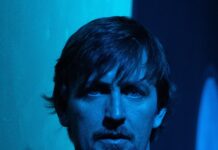
“They say it’s complicated, but I see a child / Lying in the rubble, not one but a pile.”
Right from the intro, Jack Rush makes it clear that Tears for Palestine isn’t meant to play softly in the background. It’s a song that goes straight to the heart, refusing to hide behind vague language.
The music carries that same weight. Neihardt’s guitar lines feel raw and steady, while Tatum Rush’s mastering keeps the vocals sharp and close. Jack Rush doesn’t sing to comfort, he sings to be heard. That’s what gives the track its urgency.
In the chorus, the words become a chant: “They call it war, we call it a crime / We weep these songs, we damn the lies.” This is where the ballad turns into something larger, a voice rising against silence. It’s part grief, part demand for truth.
 Rush has explored different sides of rock before, from emotional storytelling to playful satire. Here, though, he steps fully into protest music, where the point isn’t polish but power. When he sings “They call it defense, but it’s genocide!” This is striking honesty. The kind that both shocks and shakes you.
The song also acts beyond itself. Every stream sends proceeds to the Palestine Relief Fund of the International Red Cross, giving the track a life outside the studio. The line “We won’t stay silent, Free Palestine!” Is less a lyric and more like a call to join in.
By the end of The track, what’s left is a silence filled with meaning. Tears for Palestine is a witness, a cry, and a reminder that tears for one people are tears for all of humanity..