Even if we were to accept that once upon a time music had a standalone existence and was a “pure art form”, traditional views that this should always be the case are more and more resisted and refused by newer generations of independent artists. Whether the fusion is one between genres which has been viewed as categorically separate, cinematic, or literary, among other hundreds of variations, the excitement now comes from various interdisciplinary imaginings of music’s potential and future.
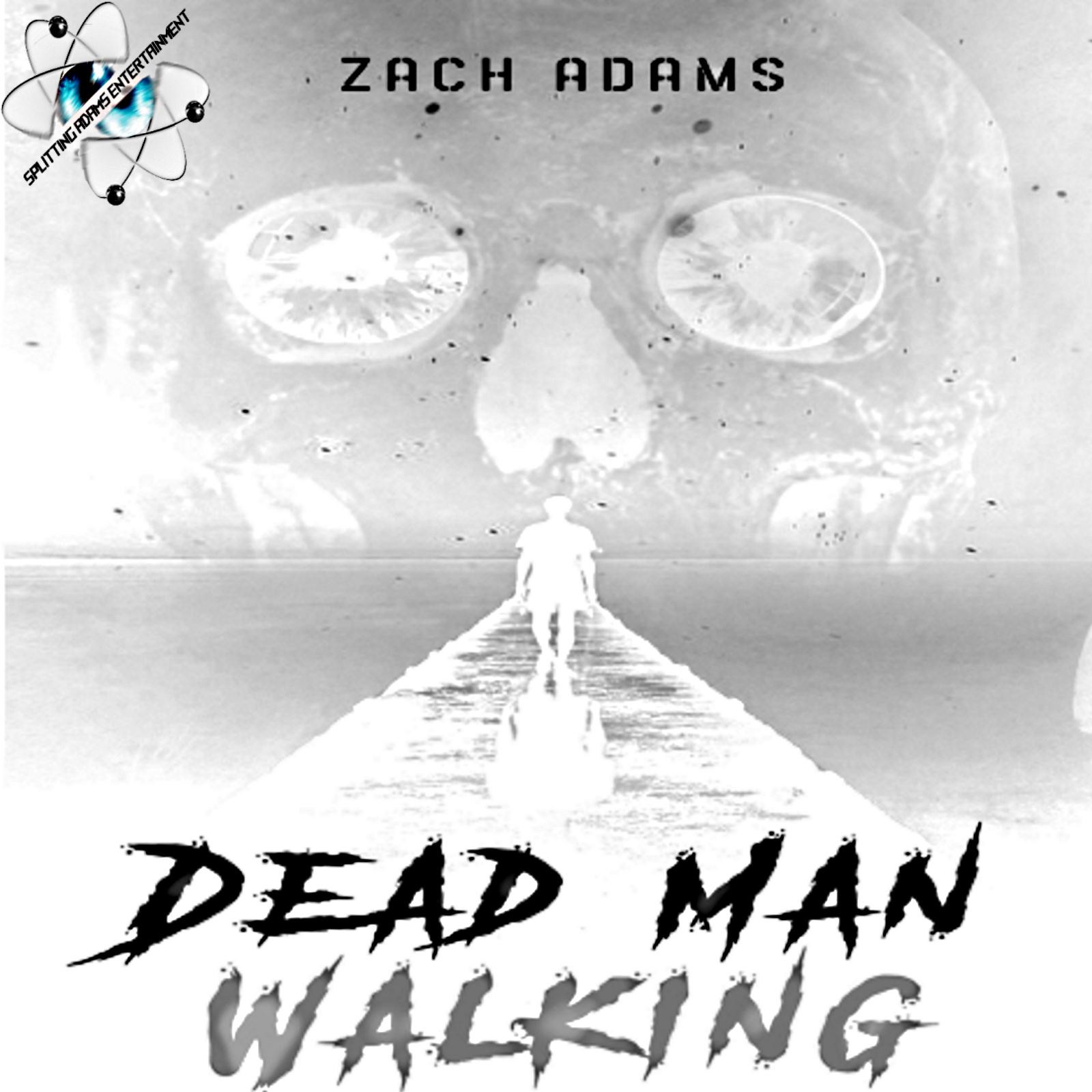
Such is the case with Zach Adams, whose debut album “Dead Man Walking” is a sonic companion to their horror/fantasy novel “Dead Man Walking: Narrator’s Cut” that is also a mix of alternative and progressive rock. Self-produced through their own Splitting Adams Entertainment label, the album serves as a testimony to Adams’ creative fusion and desire for total control over their art.
Released on the 1st of August this year, the album’s main aim is to offer a unique literary-musical fusion that combines lyrics, narration, hard rock and metal, and deepens the character’s introspection. For this reason, the album is, even more than other conceptual albums, fully resistant to a view that perceives each track as a standalone one. While the 12 tracks can definitely be enjoyed each for its own right musically, the appreciation for them comes from the full picture, not the individual components.
Each of the 12 tracks offers a musical interpretation of the interiority of the novel’s characters. For context, the novel follows Isaac Falcone, a library assistant, who discovers his life is infested by otherworldly creatures. After being attacked by undead creatures, he is rescued by an elf and is forced to confront those malicious forces as well as a “penultimate evil” that threatens his reality.
The title track, for example, which can be seen as a “theme song” for the protagonist, is actually in the voice of the antagonist, who is singing to the protagonist. The song opens with a contemplative, slow music, only to get immediately harsher, louder, more chaotic and disruptive, itself becoming a window to the musical voice of the antagonist.
“Drown”, on the other hand, focuses on the mental struggles of the protagonist, which shows through the musical composition that alternates between rapid and angry to nearly soft and timid, reflected as well in the vocals. Other tracks offer a more playful view of everything, like “They Want You to be Afraid!”, which embraces a synth-heavy, nearly alien-astic approach and vocals inspired by the metal tradition. Others, like “Becoming Hollow (Am I?)” favor a more classic and progressive rock soundscape.
All the tracks are heavily atmospheric, an aspect that arises from both the album’s connection to a plotted novel, one that mainly centers otherworldly concerns, and its characters, and from Adams’ geographic heritage in Alaska’s harsh winters and its unforgiving landscapes. Those reflections and associations lead to a textured musical soundscape that spans the whole album. An ambitious project with various connections and inspirations, Adams’ debut album is promising to what can be expected from the artist, and enjoyable in its own right.